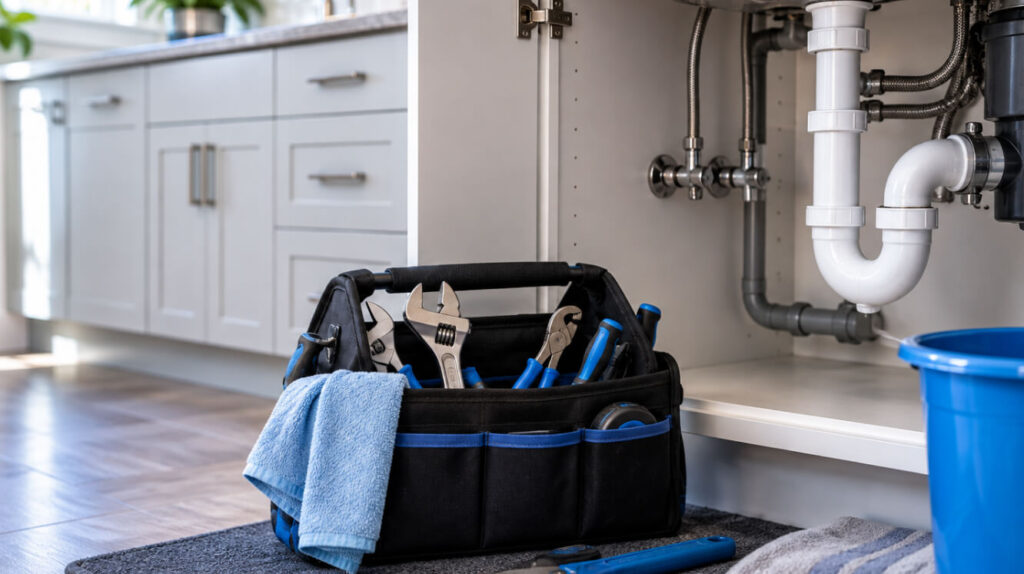
Some plumbing issues are a five-minute fix. Others are the early symptoms of a burst pipe, a flooded basement, or a structural repair that costs ten times what an early call-out would have. The hard part isn’t fixing anything — it’s knowing which category you’re in.
This guide shows you how to tell a harmless annoyance from a problem that needs a licensed plumber.
The Golden Rule: When in Doubt, Shut Off the Water
Before diagnosing anything, know where your main shut-off valve is. If water is actively leaking, turning it off buys you time to think and prevents further damage while you decide on the next step.
5 Signs It’s Time to Call a Professional
1. You Have More Than One Clogged Drain
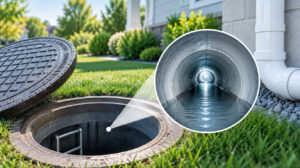
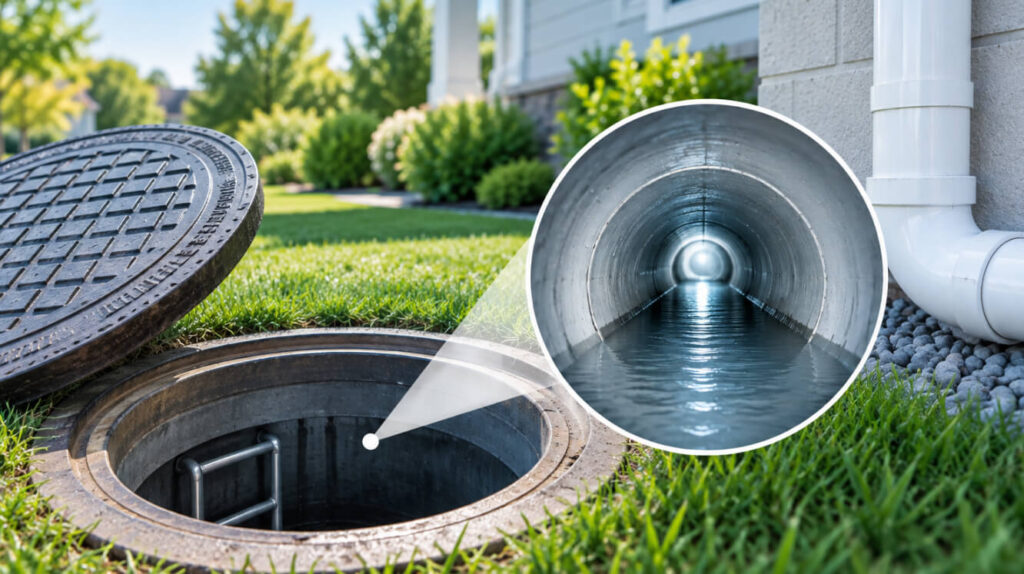
A single slow sink is usually a local clog you can clear yourself. But if multiple fixtures back up at once — especially toilet, shower, and sink together — the blockage is likely in your main sewer line. That’s a job for a plumber with a sewer camera, not a plunger.
2. Water Pressure Drops Suddenly
Low pressure in one fixture often means a clogged aerator or a stuck fixture valve. But low pressure throughout the house can signal a hidden leak, a failing pressure-reducing valve, or corroded supply pipes. If the change was sudden and unexplained, call a pro before the real cause finds you.
3. You See or Smell Sewer Gas
A persistent rotten-egg smell near drains, toilets, or the basement means one of your traps has dried out or a sewer line is compromised. Sewer gas isn’t just unpleasant — it can indicate a cracked pipe or a failing vent stack. Don’t mask it with air freshener; get it inspected.
4. Water Is Where It Shouldn’t Be
Any of these warrant a professional visit:
Damp spots on ceilings or walls
Warm spots on the floor (possible under-slab leak)
The water meter moves when no water is in use
Unexplained spikes in your water bill
Hidden leaks cause mold and structural damage long before they’re visible. A plumber can pressure-test lines and locate the source without tearing your walls apart first.
5. Your Water Heater Is Acting Up
No hot water, rusty or discolored water, popping noises, or a puddle around the base are all signs of sediment buildup or a failing tank. Water heaters combine water, gas or high-voltage electricity, and a pressurized tank — this is not the place to learn by trial and error.
Never DIY These Jobs
Some repairs are dangerous or can make the problem worse:
Sewer line backups — potential for sewage exposure and requires camera inspection
Gas line work — leaks risk explosion and carbon monoxide poisoning; in most areas, gas work must be done by a licensed professional by law
Anything inside walls or under slabs — wrong cuts turn a leak into a renovation
Water heater installation — pressure, gas, and code requirements apply
Main water line repairs — excavation and utility coordination required
Mold near plumbing — often a symptom of a leak that must be fixed first
Safe DIY Fixes (If You’re Comfortable)
These are low-risk and usually need only basic tools:
A running toilet (flapper or fill valve replacement)
A plunger-level clog in a single fixture
A dripping faucet (washer or cartridge swap)
Replacing a showerhead or aerator
Tightening a visible supply-line connection (if it’s just snug, not cracked)
Stop and call a pro if: the fix doesn’t hold, you need special tools, or the part is corroded in place.
How to Choose the Right Plumber
Verify licensing and insurance — ask for the number, don’t just trust a badge
Look for written estimates before work begins
Check reviews with photos of actual jobs, not just star ratings
Ask about emergency availability and call-out fees
Beware of unusually low bids — they often balloon into “unexpected” costs mid-job
When It’s an Emergency, Don’t Wait
Call immediately if: water won’t stop flowing, there’s sewage backing up, you smell gas, or a ceiling is sagging with water. Emergency rates cost far less than the damage they prevent.
Frequently Asked Questions
How do I know if a clog is serious?
If a plunger and a drain snake clear it quickly, you’re fine. If multiple fixtures back up together, the blockage is in your main line — that needs a professional camera inspection.
Is low water pressure dangerous?
Sudden whole-house pressure loss can indicate a hidden leak or failing valve. It won’t usually cause damage overnight, but it shouldn’t be ignored for more than a day or two.
Can I fix a leak under the floor myself?
No. Slab leaks require electronic detection and often pipe rerouting. Jackhammering or cutting concrete without locating the leak first creates a much bigger repair.
How much does a plumber cost?
It varies by region, job type, and emergency vs. scheduled service. Get a written estimate upfront — reputable plumbers provide one before starting work.
Rule of thumb: one fixture, simple fix, no water damage = DIY. Multiple fixtures, hidden water, gas, sewer, or anything inside walls = call a professional. When the stakes are high, the call-out fee is the cheapest part of the job.