A burst pipe or a failed water heater rarely happens without warning — and the repair bill almost always costs more than the maintenance that would have prevented it. The good news: most plumbing disasters are avoidable with a few inexpensive habits and a seasonal checklist.
This guide covers the practical steps to prevent costly plumbing emergencies before they start.
1. Know Where Your Main Shut-Off Valve Is
If a pipe bursts, seconds matter. Find your main water shut-off valve now, label it, and make sure every household member can reach it without moving furniture. When you go on vacation, shutting it off entirely is the single cheapest insurance policy against water damage.
2. Watch for the Early Warning Signs
Plumbing usually complains before it fails. Call a plumber if you notice:
Low water pressure in one or more fixtures
Gurgling drains or slow drainage
Water stains on ceilings, walls, or under sinks
Persistent damp or musty smells near cabinets or basements
Running toilet or a meter that moves when no water is in use (a hidden leak)
Catching a small leak early is the difference between a $200 repair and a floor replacement.
3. Prevent Clogs Before They Form
Clogs are the most common cause of emergency calls, and most are preventable.
Never pour grease down the drain — collect it in a container and trash it.
Use drain screens in showers and sinks to catch hair and soap scum.
Run hot water after washing dishes to flush residue.
Only flush toilet paper. Wipes labeled “flushable” still clog lines.
Avoid putting fibrous foods, coffee grounds, and rice in the garbage disposal.
4. Treat Your Water Heater Right
Sediment buildup shortens a water heater’s life and drives up energy costs. Flush the tank once a year, inspect the anode rod every few years, and set the thermostat to 120°F (49°C) to reduce scalding risk and standby heat loss. A puddle around the base means it’s time for a service call — not a wait-and-see.
5. Protect Pipes from Freezing
Frozen pipes burst, and burst pipes cause the most expensive water damage in winter.
Insulate exposed pipes in crawl spaces, attics, and garages.
Disconnect and drain outdoor hoses before the first freeze.
Keep the cabinet doors under kitchen and bathroom sinks open on cold nights.
Let faucets drip slightly during extreme cold to relieve pressure.
6. Don’t Ignore Water Pressure
Extremely high water pressure strains pipes, joints, and appliances. If your pressure seems unusually strong, or you haven’t had it checked recently, install or service a pressure-reducing valve. Most homes do well between 40 and 60 psi.
7. Be Careful What Goes Down the Drain
“Flushable” wipes, cotton swabs, dental floss, cat litter, paint, and chemical drain cleaners all cause problems. Chemical cleaners in particular can corrode older pipes — a plunger, a drain snake, or a professional cabling job is almost always the safer fix.
8. Schedule an Annual Plumbing Check-Up
A yearly inspection catches corroded supply lines, slow leaks, worn toilet flappers, and failing shutoff valves while they’re still cheap. If your home is over 30 years old or still has galvanized or polybutylene piping, make the check-up a priority.
9. Maintain Your Yard and Exterior
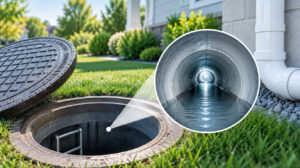
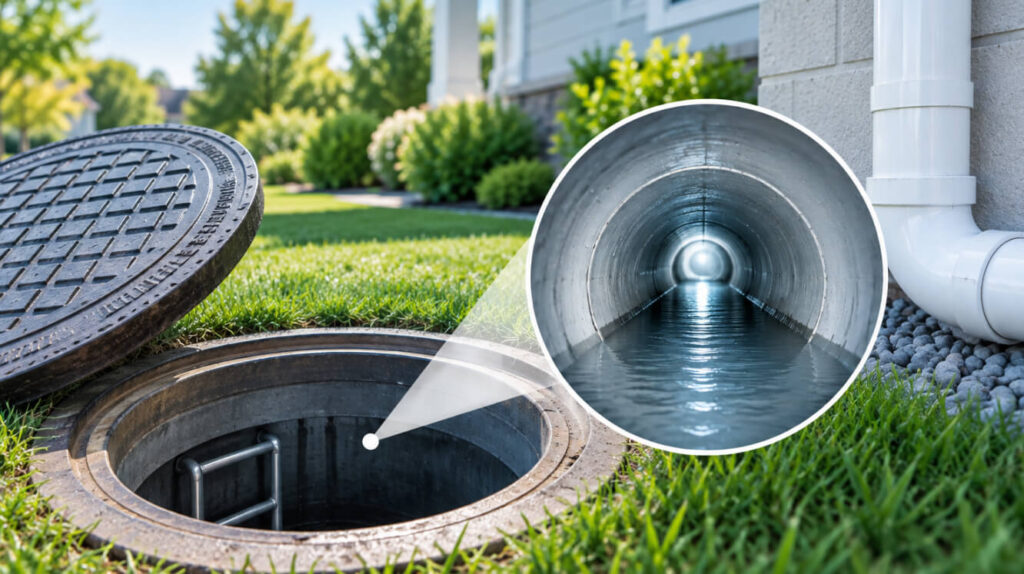
Tree roots invade sewer lines through tiny joints. Know where your sewer line runs before planting large trees, and have the line inspected if you notice repeated backups. Keep gutters and downspouts directed away from your foundation to prevent seepage.
10. Build a Simple Emergency Kit
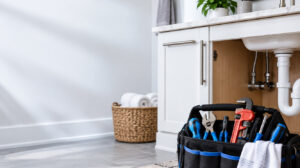
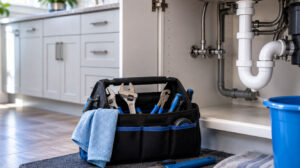
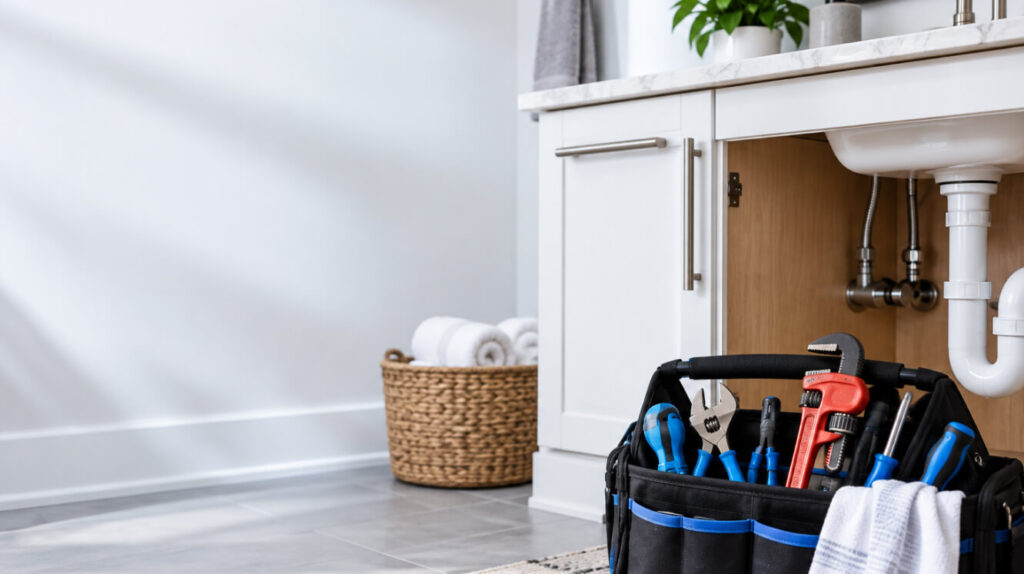
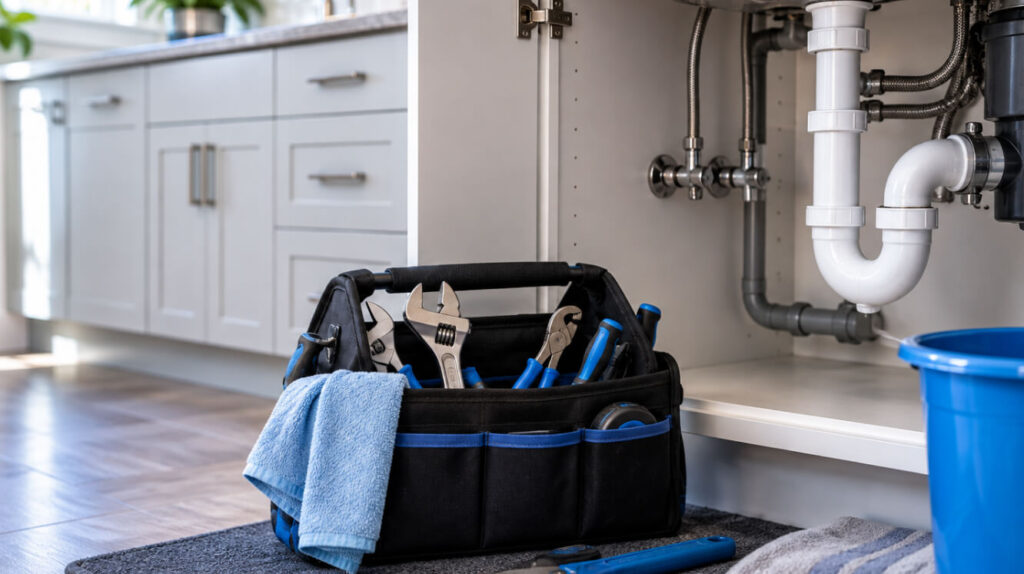
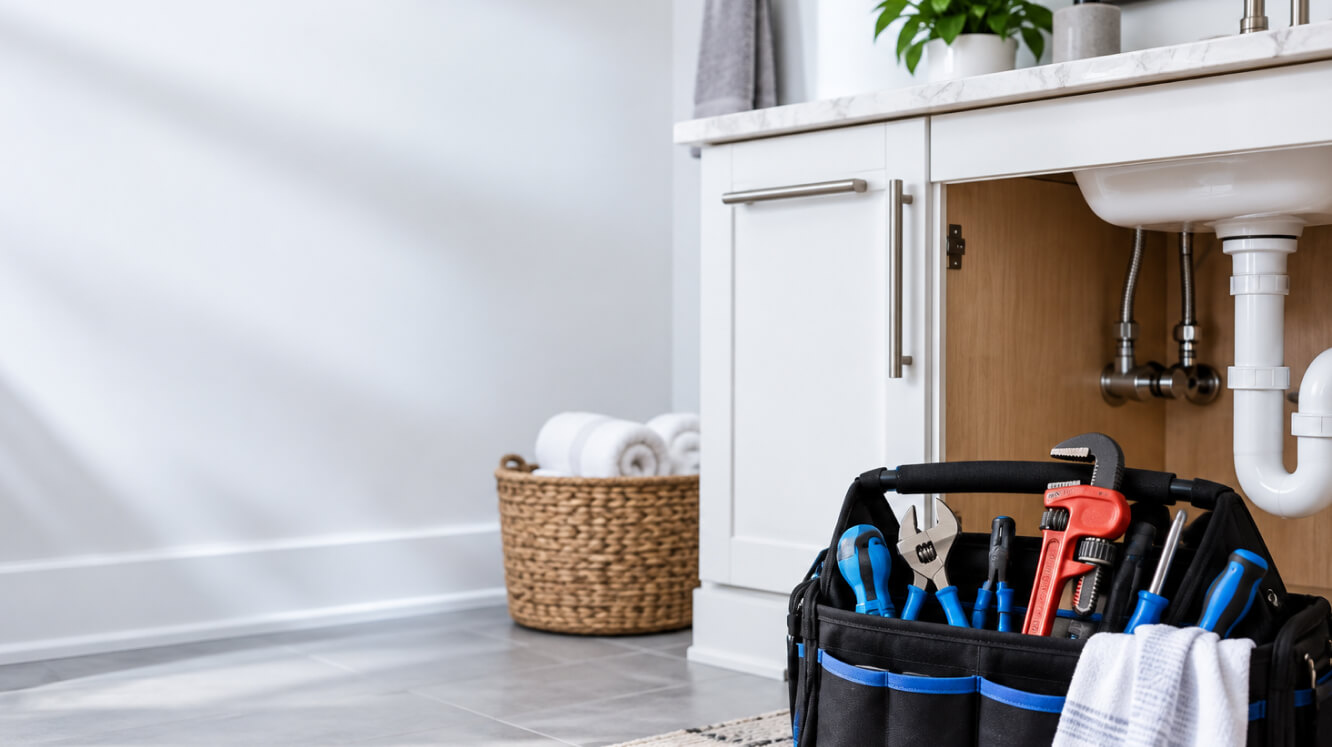
Keep a plunger (flange type for toilets), a drain snake, a wrench, and plumber’s tape on hand. Knowing how to shut off the water to a single fixture — at the angle stop under the sink or behind the toilet — stops many small leaks from becoming big ones.
When to Call a Professional
Some things are DIY-friendly: a running toilet, a clogged drain, a dripping faucet. Call a licensed plumber for sewer backups, water heater failure, no water to the home, visible leaks inside walls, or anything requiring pipe cutting or gas work.
Frequently Asked Questions
How often should I inspect my plumbing?
Do a quick visual check monthly — look under sinks, around the water heater, and near washing machines for moisture, staining, or corrosion — and schedule a professional inspection once a year.
What is the most common plumbing emergency?
Clogged drains and toilets top the list, followed by burst or leaking pipes and water heater failures. Nearly all of them trace back to deferred maintenance or things that shouldn’t have gone down the drain.
Can I prevent burst pipes in winter?
Yes. Insulate exposed pipes, disconnect outdoor hoses, keep heat consistent, and let vulnerable faucets drip during cold snaps. Consistent indoor temperature matters more than anything else.
Are chemical drain cleaners safe?
Rarely. They can damage older pipes and irritate skin and lungs. Mechanical methods — plunger, snake, or a professional — are safer and usually more effective.
Preventive plumbing is cheap; emergency plumbing never is. Start with the shut-off valve, the annual inspection, and the drain habits above — they prevent the majority of costly failures.